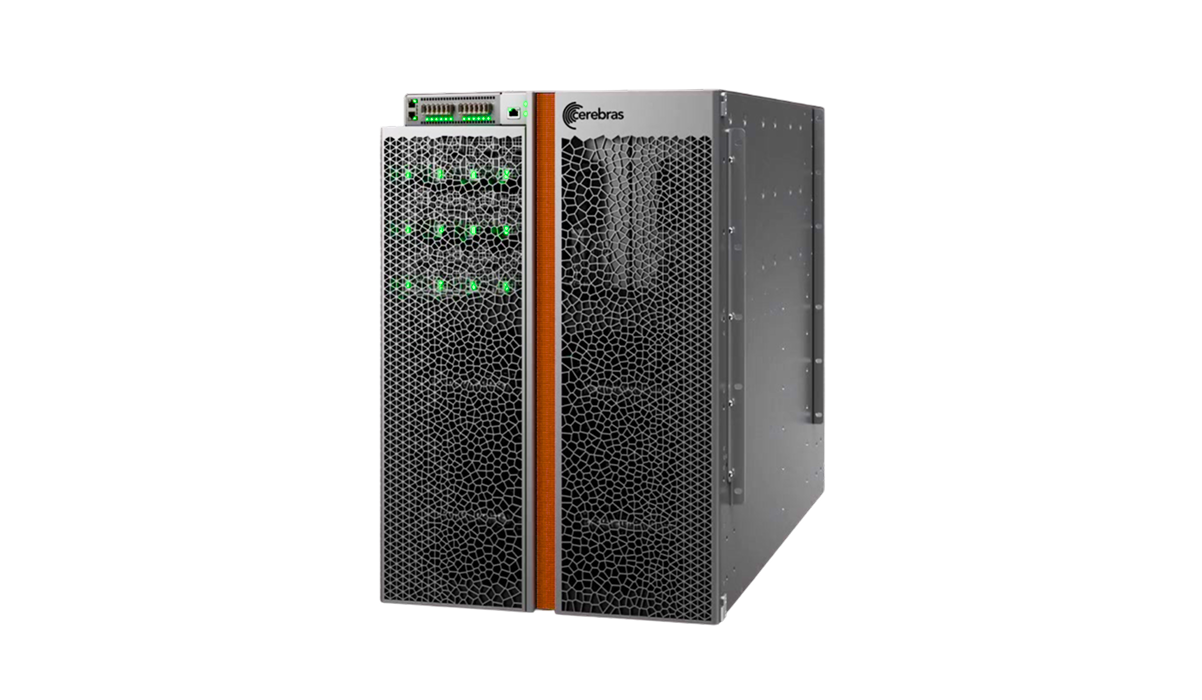
Cerebras’ 2026 disclosures show how one AI infrastructure business can raise equity, receive a customer-linked loan and undertake a large compute delivery relationship in the same period. OpenAI’s separate Stargate ambition belongs to another level of accounting. Its original January 2025 project announcement described intended infrastructure investment over several years. Each can support the growth of autonomous services without being another measure of the same pool of money. Cerebras first-quarter results, June 2026 OpenAI Cerebras partnership, January 2026
Separate companies from projects
An equity round changes ownership and provides capital under negotiated terms. An infrastructure program describes projects that may require construction, equipment procurement, power agreements and several financing sources. Its headline number can indicate ambition without identifying how much cash has changed hands at the time of the announcement.
Our analysis treats a project as a chain of evidence. A proposed location differs from a secured site. A power agreement differs from an energized connection. Ordered chips differ from commissioned servers. The relationship between these steps determines when a headline investment can begin supporting real autonomous services.
Track the milestones
This matters for smaller companies too. A startup may announce access to a large compute ecosystem, but its economics depend on the capacity it can reserve, the price it pays and the reliability of delivery. Industry investment totals do not reveal whether a particular product can afford repeated inference at its intended selling price.
The editorial rule is straightforward: preserve the nouns and verbs in the original disclosure. Announced, committed, closed, spent and operational each represent a different milestone. Reporting those milestones separately gives readers a usable view of capital formation and avoids turning one interconnected project into several apparently independent pools of money. It also makes later progress easier to verify.
Start with the object being financed
A company financing supports a legal entity. A project financing supports a particular asset or development. A compute purchase pays for a service or equipment, sometimes over a long period. An investment program may combine many projects and financing sources. The reporting mistake occurs when these objects disappear and only the largest dollar figures remain.
For a reader trying to understand autonomy, the distinctions affect what becomes available and when. Equity can finance engineers before a product exists. Construction spending creates physical capacity that may not become usable for years. A purchase agreement can encourage that construction while also creating obligations for the purchaser. The industry needs all three, but their economic meanings are different.
The OpenAI-Cerebras relationship gives the abstraction a location
OpenAI’s January 2026 announcement identified 750 megawatts of Cerebras computing to be added to its platform. That statement ties a named buyer to a named technology supplier and a planned capacity scale. It is more concrete than an industry-wide aspiration, but it still does not make the complete quantity an already commissioned service. OpenAI Cerebras partnership, January 2026
Cerebras’ later reporting identified financing events supporting its expansion. Reading the customer announcement beside the supplier’s reporting lets an analyst ask whether deployment, financing and revenue recognition are progressing together. It does not permit a complete reconstruction of contract economics without the relevant terms. The value of the exercise is to locate the missing questions, not pretend they have all been answered.
Construction creates a sequence of risks
Before capacity is usable, a project must secure a site, power arrangements, equipment and an operating organization. Some risks diminish as work advances; others become clearer only during commissioning. A firm contract can improve confidence in demand while leaving construction and integration risk unresolved. Conversely, a completed facility can still face uncertainty about profitable utilization.
This is why the phrase fully funded needs a defined scope. It might refer to one construction phase, a corporate cash position or a planned equity contribution. Without that scope, the phrase can suggest more certainty than the underlying evidence provides. A useful account identifies the phase being financed and the dependencies that remain outside the announced financing.
A better public capital map
An infrastructure capital map should show legal entities and projects as separate nodes, with investment, loans and purchases as different relationships. It should preserve dates so readers can distinguish a financing intention from an executed transaction. It should also keep capacity, expenditure and valuation in their own units rather than treating them as interchangeable evidence of progress.
The resulting picture may be less dramatic than a single enormous total, but it is more useful. It reveals whether autonomous applications are gaining access to usable capacity, whether suppliers carry concentrated exposure and where a delay could affect several businesses at once. That is the financial story beneath the construction announcement—and the part that needs continued reporting after the launch event.
A capacity unit is not a revenue unit
Even megawatts require a defined meaning. A figure can describe electrical supply, equipment demand or a planned campus envelope. It does not directly state how many customer tasks will be completed or how much revenue will follow. The translation depends on hardware, workload, utilization and service requirements, none of which can safely be assumed from the capacity headline.
For the same reason, multiplying a planned megawatt figure by a generic market price is not a defensible revenue forecast. The project may be delivered in stages and serve workloads with different costs. Reporting should preserve the original unit and explain the operating steps needed to turn it into useful compute. That is where the financial promise becomes testable.
Sources & evidence
This archive preserves its original editorial date. Sources describe the events and announcements discussed; they do not establish today’s status.