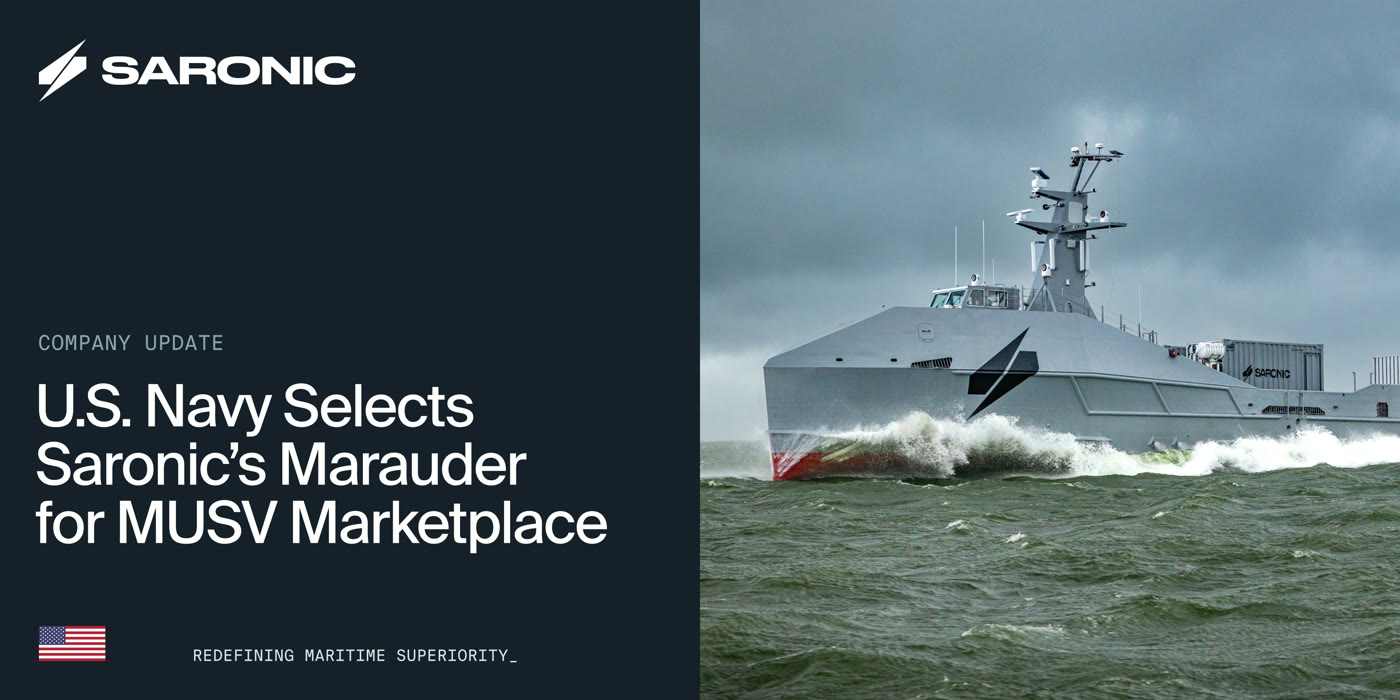
Saronic’s first Marauder entered on-water trials in May 2026, according to the company, after its acquisition of a Louisiana shipyard the previous year and a $1.75 billion Series D that March. The chronology turns an autonomy funding story into an industrial one: capital had to become a place, a workforce and a vessel before trials could begin. Saronic Marauder trials, May 2026 Saronic Gulf Craft acquisition, April 2025 Saronic Series D, March 2026
The factory is an execution problem
Our interpretation is that a shipbuilder’s investment case cannot stop at navigation software. It includes producing repeatable hulls, integrating equipment, testing systems and supporting vessels after delivery. These requirements can create an advantage for a company that executes well while increasing capital needs before revenue becomes dependable.
The factory introduces a timing problem. Capacity is most efficient when demand arrives at the expected pace. If procurement slips, fixed costs remain; if demand accelerates faster than production, customer relationships can suffer. Financing provides room to manage this mismatch but does not eliminate the need for disciplined commitments.
Compare the cash cycles
Comparing an integrated manufacturer with a software platform requires care. The manufacturer may retain more product revenue while carrying inventory and operational risk. The software supplier may address more platforms but depend on other companies to integrate and sell them. Neither model wins automatically; their constraints and customer dependencies differ.
The next reporting milestones should be industrial evidence: commissioned capacity, accepted deliveries, recurring orders and support performance. A fundraising valuation describes a negotiated financial expectation. A production system that reliably turns components into accepted vessels describes an operating capability. Autonomy coverage becomes more useful when it tracks the distance between those statements and explains which milestone the next dollar of capital is intended to finance.
The acquisition supplied more than land
Saronic’s April 2025 Gulf Craft announcement described acquiring an existing shipyard and retaining its experienced workforce. That is a different route from building every industrial capability from scratch. The purchased operation brought facilities and practical knowledge, while Saronic still had to adapt production to its intended autonomous vessels. Saronic Gulf Craft acquisition, April 2025
Experienced shipbuilding labor can shorten the distance between a design and a physical hull, but it does not remove integration risk. New production methods, software interfaces and customer requirements must be reconciled with the yard’s established practices. The investment thesis depends on whether that combination produces repeatable output, not simply on the acreage acquired.
The trial is a milestone, not a fleet
The May 29 announcement reported the first Marauder’s move from design to on-water trials in under a year. It also described further hulls in progress. These are company claims about development and construction, rather than independent evidence that a fleet has completed operational acceptance or achieved every advertised mission. Saronic Marauder trials, May 2026
That distinction should not erase the significance of launching a vessel. It moves the program into a phase where propulsion, control, endurance and maintenance assumptions can be tested together. It also creates opportunities to find design changes that matter for subsequent hulls. The value of early production is partly the learning it generates before the design is repeated at larger scale.
Working capital follows the hull through the yard
A shipbuilder pays for materials, labor and equipment before the finished vessel is accepted. The timing of customer payments can reduce or increase the cash tied up during that period. An equity financing supports the overall business, but its size alone does not reveal how many vessels the company can produce without further funding.
Factory utilization adds another variable. Too little demand leaves fixed costs spread across few deliveries; too much demand arriving at once can stress suppliers and quality control. The business needs a production cadence that matches credible orders and available resources. This is why a large funding round and an ambitious annual capacity target answer different questions.
Autonomy changes support, not the need for support
Removing an onboard crew does not remove machinery that can fail. It shifts attention toward monitoring, maintainability and the organization that intervenes when the vessel cannot complete its assigned work. A design intended for long periods away from shore must be evaluated as a whole operating system, including the support arrangements that make continued use practical.
For investors, this means recurring software revenue should not be assumed to appear independently of hardware performance. Customers may value updates and fleet-management tools, but the vessel must remain available and useful. The supplier’s economics depend on how much support each delivery requires and whether experience with early vessels reduces that burden.
What would demonstrate industrial scale
The evidence to follow is a repeated chain of launch, test, acceptance and supported operation. A yard can be capable of building hulls while still learning how to deliver a complete autonomous product. Reporting should therefore retain the distinction between nominal capacity, vessels under construction and units accepted by customers.
Saronic’s financing and shipyard acquisition make the industrial ambition concrete. Their commercial outcome remains a question of execution across production and operations. A useful autonomy capital publication will keep returning to the same named vessel program, comparing promised schedules with actual milestones and explaining how each step changes the cost and risk of the next delivery.
Sources & evidence
This archive preserves its original editorial date. Sources describe the events and announcements discussed; they do not establish today’s status.