A faster model does not guarantee faster work. METR’s controlled study of early-2025 tools found experienced open-source developers took 19% longer on the sampled tasks with AI assistance. Its February 2026 follow-up changed the study design, underscoring that the earlier result was a bounded observation, not a permanent verdict on coding agents. METR early-2025 developer productivity study METR February 2026 study-design update
Find the waiting point
Our analysis distinguishes interactive work from background work. A person waiting for an agent to investigate a problem may value shorter delays. A task that runs overnight may value predictable completion and a lower bill. The same processor therefore offers different commercial value depending on the product and its users.
Autonomy makes latency more complex. A workflow with dependent model calls accumulates waiting time, while concurrent calls behave differently. A supplier’s fastest single response does not reveal the duration of a complete job. Buyers need measurements including tool access, retrieval, validation and the human decisions still required.
Price the outcome
Trace the customer experience step by step. Which delay comes from the model, which from a database and which from approval? Paying for faster inference is wasteful if another step dominates. It can be valuable if the change lets a previously impractical workflow operate within a useful deadline.
The commercial claim should use the customer’s language: more cases resolved during a shift, fewer interruptions or a shorter engineering cycle. Those outcomes can support pricing power. Speed becomes an investment thesis after the company shows how it changes behavior, why customers care and whether added revenue exceeds added delivery cost. A benchmark is one piece of that argument, rather than the argument itself.
The measured task and the marketed capability differ
The original METR study involved 16 developers and 246 tasks in mature projects they knew well. It measured completion time in that setting, not the speed of generating code or the usefulness of AI for every programmer. The finding is valuable because it shows why end-to-end measurement can differ from intuition and component performance. METR early-2025 developer productivity study
An inference supplier may accurately report fast token production while the user spends more time reviewing, redirecting or integrating the output. Conversely, a system that generates fewer tokens can still save time if it produces a correct result with less supervision. These are different measurements, and neither should be silently substituted for the other.
A changed study design is evidence of uncertainty
METR’s February 2026 update discussed changing how it measured developer productivity. That is a reason to retain the date and population of the original study whenever citing it. It is not sound to take a result from one tool generation and declare that every later agent slows every developer, nor to ignore the result because capabilities have advanced. METR February 2026 study-design update
The investment lesson is methodological. Companies should keep measuring outcomes as products and users change. A result that was true for experienced maintainers may differ for a newcomer exploring an unfamiliar codebase. A workflow that helps on one type of task may hinder another. Revenue forecasts should be based on the mix the product actually serves.
Fast inference still has a concrete commercial role
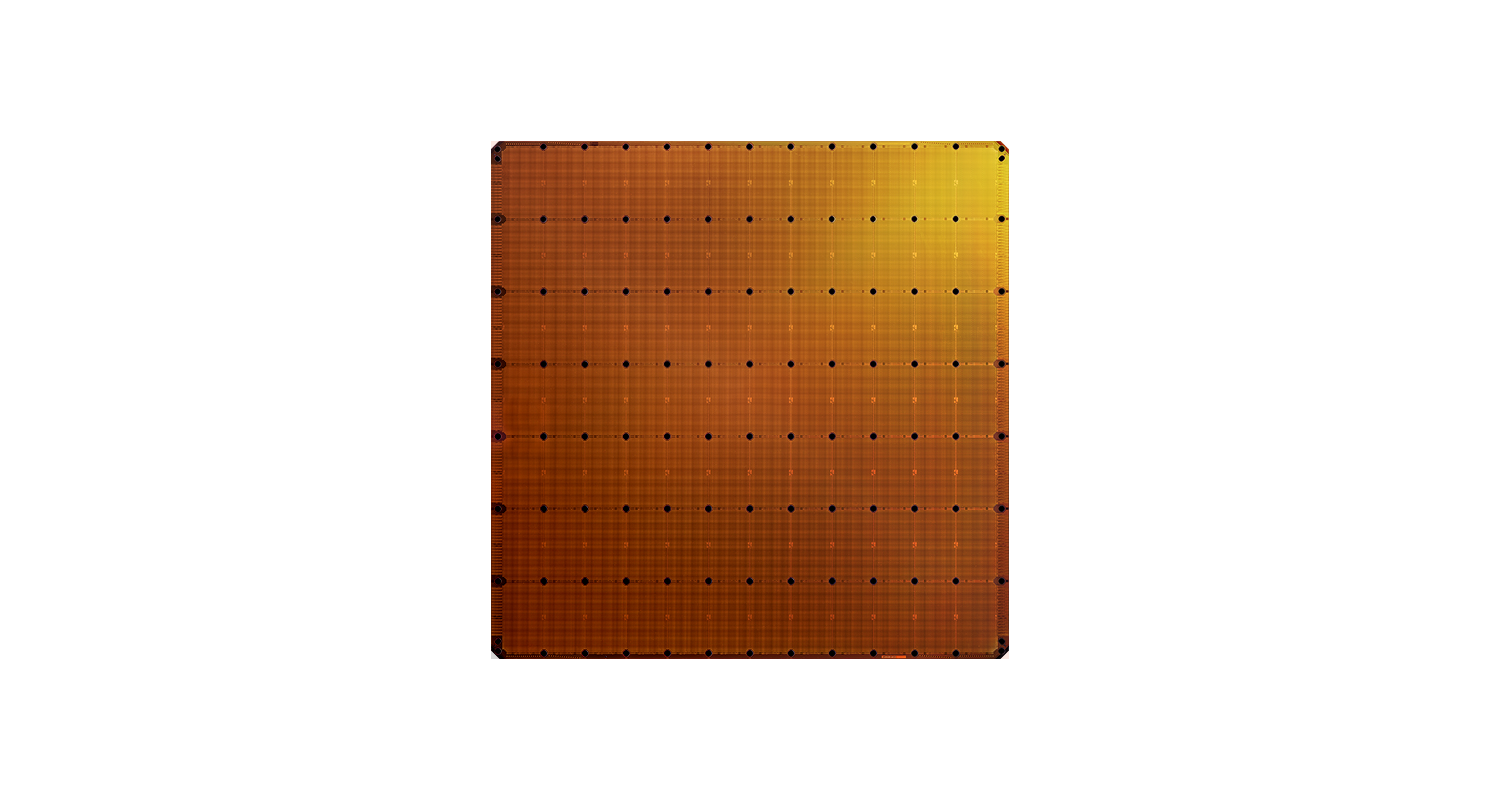
The September 2026 Cerebras-Gimlet report describes continued demand for systems aimed at fast inference. The relevant question is where that speed removes a meaningful delay. An interactive coding tool, for example, may become easier to use when short iterations arrive quickly, even if its full productivity effect depends on accuracy and review. Reuters: Cerebras and Gimlet, September 2026
That means infrastructure vendors and application vendors can both be right about different parts of the experience. The infrastructure can be faster while the application still needs better context or workflow design. Investors should ask which party is responsible for turning the technical improvement into customer value and whether the commercial arrangement rewards that work.
Measure the whole loop
A useful test includes the request, model execution, tool access, human review and any correction. It should count abandoned attempts rather than considering only successful demonstrations. The comparison should also hold the quality bar constant: a quick answer that leaves defects for someone else is not the same output as a reviewed, accepted change.
The test need not pretend every task is identical. Results can be grouped by task type and complexity, with the distribution retained. This helps identify where speed creates a real advantage and where another bottleneck dominates. It also gives product teams a more actionable result than a single average improvement across unrelated work.
The commercial conclusion must be specific
Low-latency inference can support valuable products, but it is an enabling capability. The application still needs to select the right work, obtain relevant context and manage mistakes. A premium for speed is sustainable when customers experience a benefit they are willing to pay for, not simply when a demonstration feels responsive.
The strongest investment argument therefore joins two kinds of evidence: reproducible infrastructure performance and measured customer outcomes. The METR result cautions against skipping the second; the demand for inference systems shows why the first still matters. Treating both seriously makes it possible to recognize real progress without confusing faster generation with an automatic improvement in productivity.
Sources & evidence
This archive preserves its original editorial date. Sources describe the events and announcements discussed; they do not establish today’s status.